
A smooth racket face can leave points on the table. If you like shaping volleys, adding bite to viboras or getting more dip on your bandeja, a textured face padel racket can make a real difference - but only if the rest of the racket suits your game.
Texture is one of the most talked-about features in padel, and for good reason. It promises more spin, more control and a sharper feel at contact. That sounds simple enough, yet plenty of players buy on that one feature alone and end up with a racket that feels too hard, too heavy or too demanding. The better question is not whether texture works. It is whether it works for the way you play.
What a textured face padel racket actually does
A textured surface is designed to increase friction between the ball and the racket face at impact. In practical terms, that can help the ball grip for a fraction longer, giving you a bit more purchase when brushing up, across or under the ball. The effect is most noticeable on spin-heavy shots rather than flat drives.
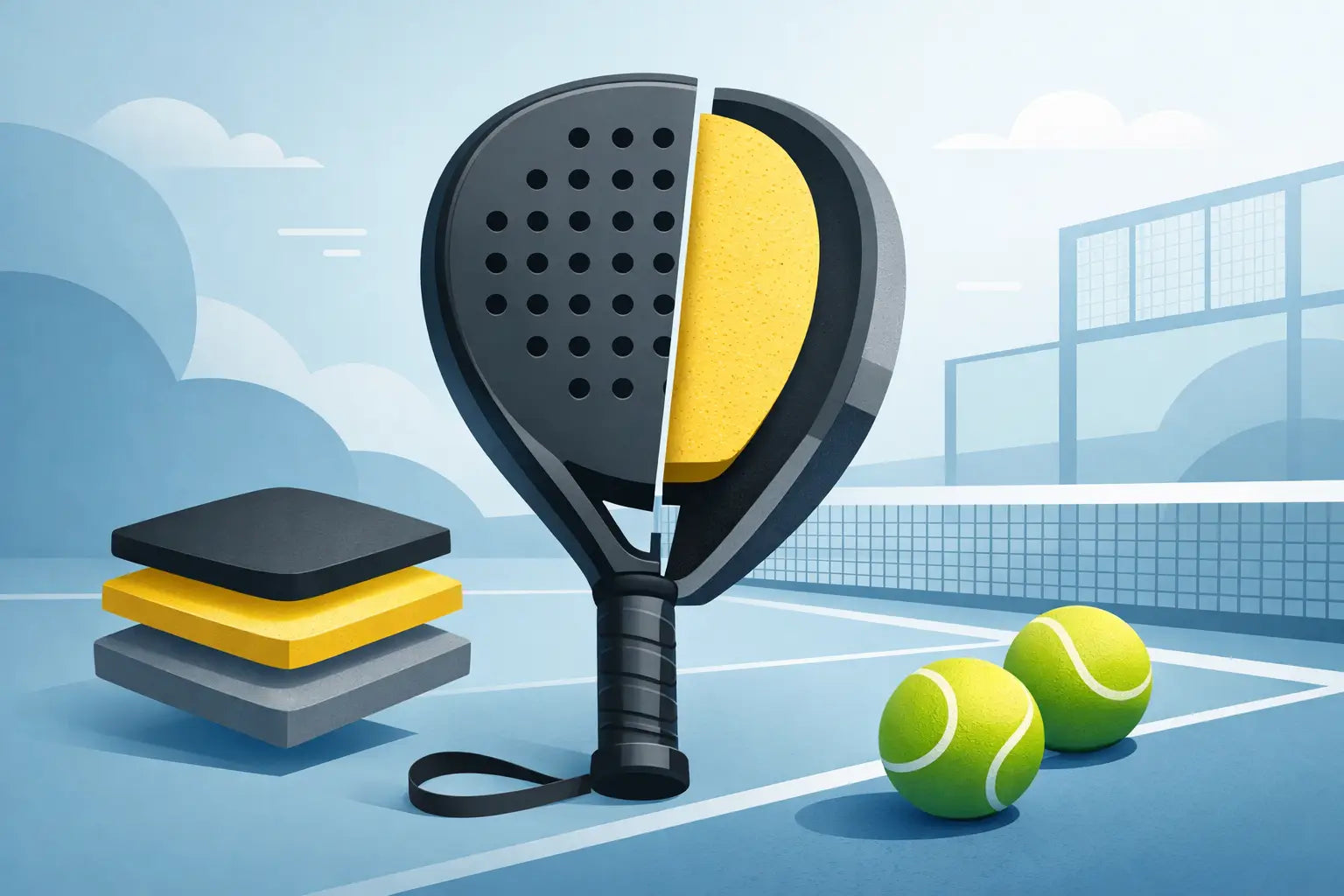
There are different ways brands create this texture. Some use a rough sand-like coating on the face. Others build texture into the top layer itself with a 3D pattern, embossed finish or raised detailing. Both approaches aim to improve grip on the ball, but they do not feel identical. A sprayed rough finish often gives a more obvious bite early on, while an integrated texture can wear more evenly over time.
That said, texture is not magic. It will not turn a flat hitter into a spin specialist overnight. Technique still matters more than surface finish. A textured face gives you more help if your swing path and timing are already doing the right things.
Where a textured face padel racket helps most
The biggest gains usually show up in the short game and in overheads where control matters as much as power. On volleys, especially when you want to keep the ball low and awkward, texture can help the ball sit slightly more predictably on the face. You feel more able to guide it rather than simply block it.
On bandejas and viboras, the value is clearer. These are shots where shape, slice and margin matter. A textured face can help produce more cut on the ball, making it stay lower after the bounce or kick more awkwardly off the glass. For many intermediate players, this is where the feature starts to justify itself.
Serves and kick smashes can benefit too, although expectations should stay realistic. If your technique is sound, the extra grip can support more action on the ball. If timing is inconsistent, texture will not rescue the shot.
For defensive play, the benefit is smaller. When you are digging balls out near the back glass or simply trying to reset the point, racket shape, balance and core feel tend to matter more than face texture alone.
Textured face padel racket vs smooth face
A smooth face racket often feels cleaner and slightly more neutral off the string bed. Some players prefer that because the contact feels more direct, especially on flatter balls. If you play a compact game based on blocks, redirects and simple consistency, you may not notice a huge drop-off without texture.
A textured face padel racket tends to suit players who actively manipulate the ball. If you use slice, like changing pace, or enjoy creating awkward bounce patterns, you are more likely to notice the upside. It can also inspire confidence. When players feel they have more grip on contact, they often commit better to technical shots instead of steering them.
The trade-off is feel. Some textured finishes can make the face seem a touch firmer or less smooth on impact. Not always, but enough that it is worth considering if you are sensitive to comfort. If you already struggle with a racket that feels overly stiff, texture alone should not be your deciding factor.
The feature that matters just as much: the rest of the build
This is where many buying decisions go wrong. Texture is only one layer of performance. Carbon fibre construction, face stiffness, EVA density, racket shape and balance point all influence how the racket behaves far more broadly.
If you choose a textured racket with a diamond shape and head-heavy balance, you are not just buying more spin. You are buying a more attacking profile, usually with extra power potential and less forgiveness. That can be brilliant for experienced players who hit confidently above shoulder height. It can be hard work for newer players or anyone still developing consistency.
A round textured racket is a different proposition altogether. The sweet spot is usually larger and more central, the balance is more manageable, and control comes easier. For club players in the UK who play a mix of social and competitive matches, this type of setup often makes more sense than chasing the most aggressive spec on paper.
Hybrid shapes sit in the middle and are often the safest recommendation if you want all-court performance. You get enough manoeuvrability for defence, enough output for attack, and enough texture benefit to improve spin without committing to a specialist frame.
Who should buy one
If you are a beginner, a textured racket can still be a good choice, but only if the overall racket remains forgiving. There is no need to avoid texture at entry level. The mistake is pairing it with a demanding shape or overly hard core. A softer, control-focused racket with a textured face gives you room to improve without making every off-centre shot feel punishing.
If you are an intermediate player, this is usually the sweet spot. You likely have enough technique to use the texture properly, and you will notice the gains on serves, overheads and transition play. This is also the stage where players start wanting more from their equipment without wanting to overpay for a prestige badge.
If you are an advanced player, the decision becomes more personal. You may prefer a very pronounced rough surface for maximum action on the ball, or you may prioritise a cleaner face feel depending on your style. Competitive players often choose based on how the racket performs in fast exchanges rather than whether it can generate the most dramatic spin in isolation.
UK conditions make the choice more relevant
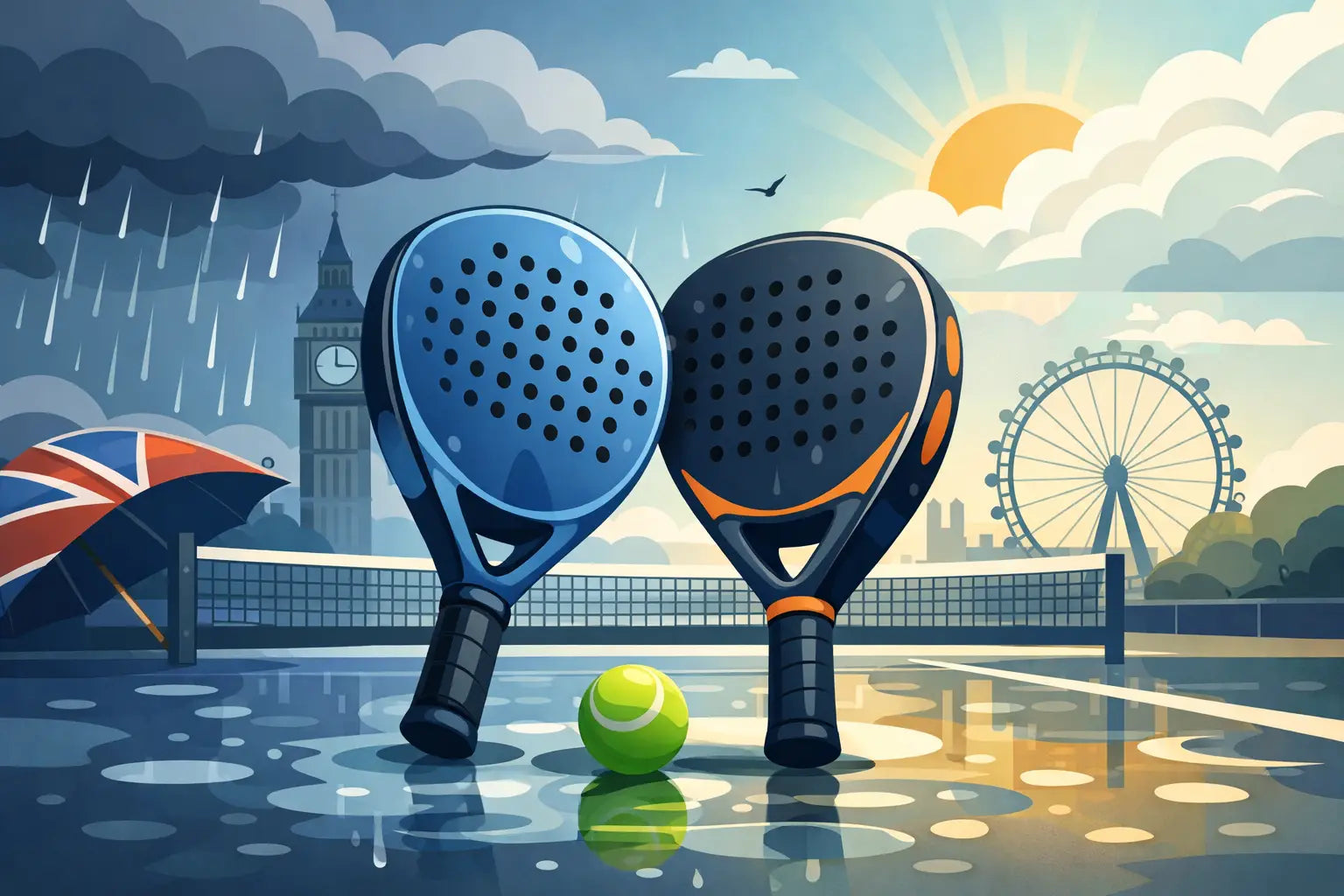
British conditions matter more than many players realise. Cooler temperatures and damp air can change how the ball travels and how the racket feels. In those settings, a racket built with premium materials and a surface that helps maintain confident contact can be a smart choice.
Texture can be especially useful when conditions are slower and points require a bit more craft rather than pure put-away power. The ball may not fly as freely as it does in hotter climates, so creating shape and variation becomes more valuable. That is one reason textured faces have become increasingly popular with UK players looking for practical performance gains.
What to check before you buy
First, look at the racket shape and balance before you get distracted by surface finish. If you want easier control, stay closer to round or hybrid designs. If your game is already built around attack, a diamond shape may suit you.
Second, pay attention to the core and face materials. A textured carbon fibre racket with a medium or softer EVA can offer a strong blend of response and comfort. A very hard setup may feel excellent in decisive hands but unforgiving in long club matches.
Third, consider durability. Some rough coatings wear down faster than integrated textures, especially with frequent use. That does not make them bad, but it is worth understanding what kind of finish you are paying for.
Finally, be honest about your game. Buying the racket that suits your actual level will help more than buying the one that sounds most advanced. Premium materials, fair prices and a player-matched design will usually outperform hype.
Is a textured face padel racket worth it?
For a lot of players, yes. If you want more bite on the ball, better control on shaped shots and a bit more confidence in attacking overheads, it is a feature worth having. But it only becomes a smart buy when it sits inside the right racket profile for your level and style.
At PDX Padel, that is the key idea behind player-specific racket design. The best racket is not the one with the longest feature list. It is the one that gives you a clear on-court benefit from the first match and still feels right after a month of regular play.
If you are choosing your next racket, treat texture as a performance enhancer, not the whole story. Get the shape, balance and feel right first. Then let the textured face give your game that extra edge where it actually counts.